Featured
Table of Contents
Honestly connect with your specialist regarding any type of concerns or adjustments in your psychological health and wellness, and together, you can figure out one of the most suitable course of activity. Open and sincere communication with your specialist is critical when discussing the regularity of the sessions. Right here are some ideas on how to successfully communicate your demands and problems: Take some time to review your therapy experiences and how the existing regularity is influencing your development and wellness and whether you require.

Take these suggestions right into factor to consider and discuss any type of reservations or problems you may have. Bear in mind, your specialist is there to sustain you in your psychological health journey. By preserving open and transparent communication, you can collaborate to locate the regularity that best sustains your development and well-being.
It's crucial to acknowledge that the frequency of sessions can be readjusted based on the customer's requirements and progression. If you're fighting with clinical depression and locate that you want a lot more support, it's entirely affordable to share your need to see your therapist regularly. Frankly stating, "I desire to see my specialist regularly," during a session can unlock to reviewing possible changes in session regularity.
Developing a Safe Collaboration with Your Clinician
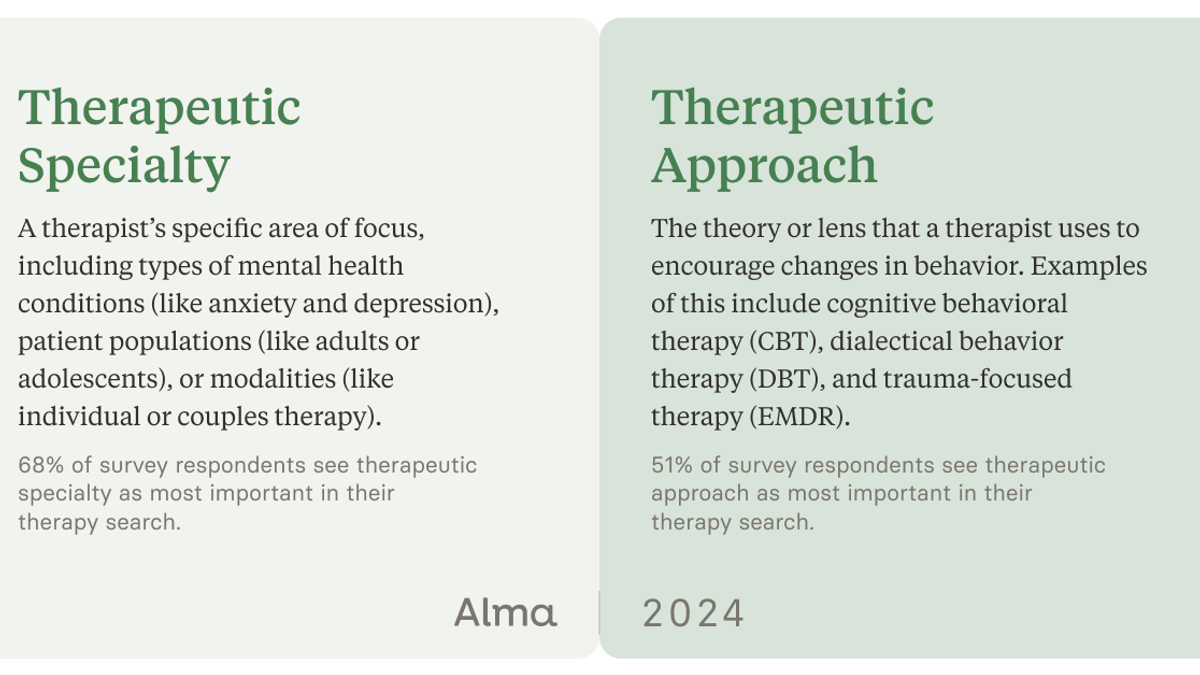
Occasionally, customers with a lot more severe clinical depression or who often have ideas of self-destruction or self-harm might take advantage of DBT. When you're participating in DBT you usually will have an once a week individual treatment session, a weekly 2 hour group skills training session and some mentoring calls with your therapist. So, that's a larger time commitment but is a very reliable means to treat depression.
We are devoted to supplying the degree of treatment that finest sustains your journey towards improved mental health and wellness and wellness. Therapy regularity is a crucial facet of psychological health treatment, and it's essential to find the ideal equilibrium that matches your unique needs. While treatment every 2 weeks can be suitable for some people, it might not offer the required assistance and progress for others.
It is essential to remember that treatment is not one-size-fits-all, and the suitable frequency of sessions can vary considerably from individual to individual. For some, treatment every 2 weeks may be adequate, specifically when they are in a steady phase of their treatment trip. This frequency enables more extensive durations of self-reflection and practice of the skills found out in therapy.
What Makes Performance-Driven Individuals Manage from Inner Peace
Throughout this time, the regularity of sessions might require to be changed based upon your progression and advancing demands. Sometimes, therapy when a week isn't adequate to deal with complicated mental health problems or extreme signs. Individuals dealing with injury or extreme anxiety may benefit from even more regular sessions to ensure consistent assistance and signs and symptom management.
Don't be reluctant to reach out and have an open discussion with us concerning your therapy frequency. Together, we can identify the finest method to sustain your psychological health and wellness effectively.
At Aspire Therapy, we're here to direct you every action of the method.
Holistic Mental Health Options
Therapy regularity isn't one-size-fits-all. Exactly how typically you need to most likely to treatment relies on your personal goals, psychological health condition, and the sort of therapy session you're participating in. Most individuals begin with once a week treatment sessions, yet in time, that cadence can shift. Whether you're seeking assistance for stress and anxiety, clinical depression symptoms, injury, or relationship issues, the right session regularity plays a vital role in your therapy trip.
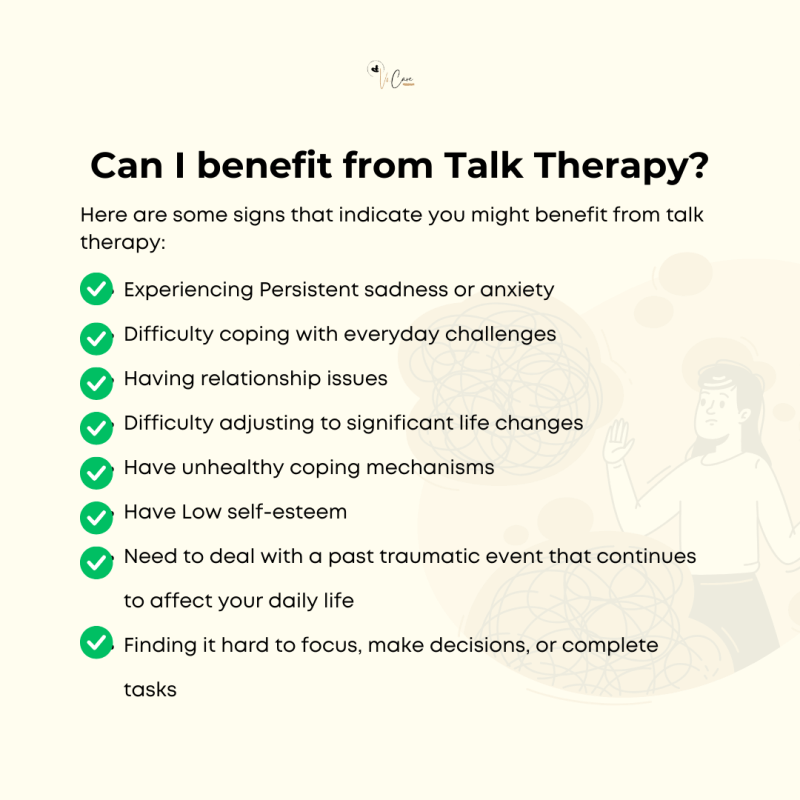
When you're dealing with a major mental disease, learning emotional law abilities, or resolving major life changes, weekly appointments produce structure and momentum. As your symptoms support or objectives shift, you could shift to bi-weekly sessions or perhaps a regular monthly session. These much less constant check-ins can still give accountability and space for representation, particularly when therapy is part of a broader self-care or health care routine.
Therapy is most effective when it corresponds. The speed of your sessions directly impacts just how quickly and deeply you can process your emotions, establish understanding, and make behavior modifications. Weekly treatment sessions, specifically, enable real-time reflection, aiding you respond to obstacles as they occur. Irregular or seldom sessionsespecially very early oncan make it challenging to develop energy or use tools in between.
Bi-weekly sessions use more flexibility and are usually made use of after initial progression has actually been made. This regularity might be appropriate for people who are in an extra secure location or are handling mild signs and symptoms. That stated, the extended space in between sessions may limit opportunities for real-time support and reduce down the rate of modification.
Evidence-Based Psychology Practices
This is commonly the case for individuals managing serious anxiety, complex trauma, or frustrating life shifts. In these instances, constant sessions provide a supporting force, creating area for safety, handling, and emotional regulation. It's worth keeping in mind that this is not an exhaustive list. Some individuals likewise participate in therapy much more regularly if they are experiencing partnership battles or if they are participated in couples and family therapy in addition to private therapy.
Couples therapy may additionally need a much more frequent cadence throughout times of crisis or dispute to restore trust and communication. A monthly session can be effective for those in upkeep modepeople who have actually finished the more intensive part of their therapy journey and currently look for occasional check-ins to remain based.
The very best means to establish the right rate is through an open conversation with your specialist. They'll assist analyze your objectives, progress, and needsand suggest an ideal timetable. Treatment regularity should evolve with you. Lots of people begin with regular therapy sessions to establish relationship and momentum. With time, as coping approaches end up being 2nd nature and difficulties are dealt with, you might relocate to bi-weekly sessions or monthly maintenance sessions.

Latest Posts
Specialized Skills in Psychodynamic Therapy for Client Success
Open Exploration during Psychodynamic Sessions in Chicago
Family Expectations in Multicultural Households